Musicians Jason Isbell and David Lowery have initiated a class action lawsuit against Suno, focusing on identity claims rather than copyright issues.
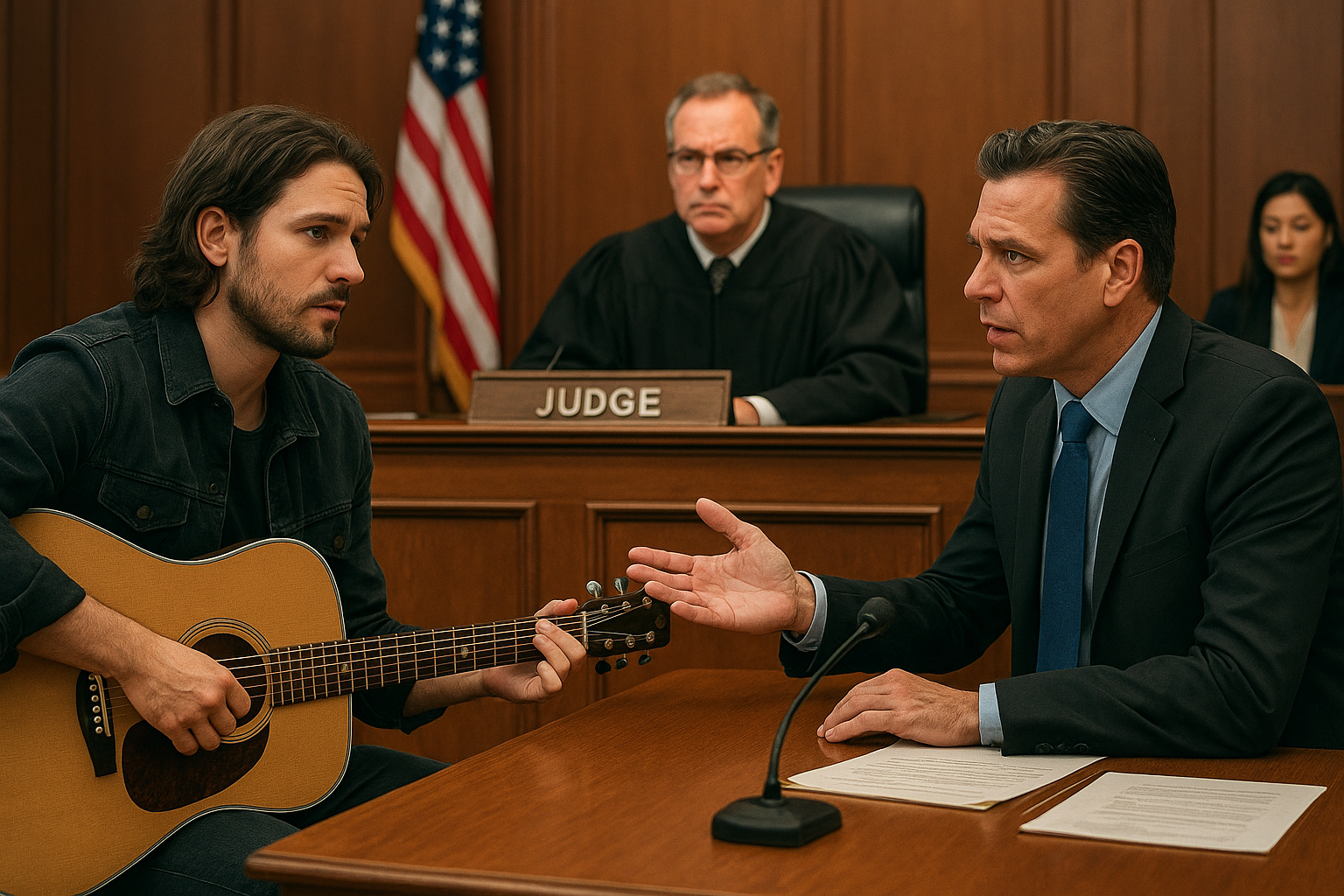
In a significant legal move, renowned musicians Jason Isbell and David Lowery have filed a class action lawsuit against Suno, a company led by Mikey Shulman. The lawsuit alleges that Suno has developed a product capable of generating songs, written descriptions, and cover images that evoke specific musicians when their names are mentioned.
The core of the lawsuit is centered around identity claims, marking a departure from the more common copyright infringement cases. Isbell and Lowery argue that Suno’s technology misappropriates their identities by creating content that suggests a connection to them without their consent.
This legal action highlights the growing concerns among artists about the use of artificial intelligence in the music industry. The musicians claim that Suno’s product could potentially mislead audiences and dilute their personal brands by associating them with content they did not create or endorse.
While the lawsuit does not address copyright issues, it raises important questions about the rights of artists to control how their names and likenesses are used in digital content. The outcome of this case could set a precedent for how identity claims are handled in the context of AI-generated media.
Representatives for Suno have not confirmed their response to the lawsuit, and it remains to be seen how the company will address these allegations. The case is expected to draw significant attention from both the music industry and legal experts.
As technology continues to evolve, the intersection of artificial intelligence and intellectual property rights becomes increasingly complex. This lawsuit underscores the need for clear guidelines and protections for artists in the digital age. The resolution of this case could have far-reaching implications for how musicians and other creatives safeguard their identities against unauthorized use.