Federal authorities are seeking a nearly four-year prison sentence for an individual accused of defrauding the music industry through AI-generated content.
In a case that has drawn significant attention, the U.S. government is pushing for a lengthy prison term for Mike Smith, who allegedly exploited artificial intelligence to generate and distribute music without proper authorization. The prosecution claims that Smith’s actions resulted in millions of dollars in losses for artists and record labels alike.
Smith’s fraudulent activities reportedly involved creating AI-generated tracks that mimicked the styles of popular artists, which he then streamed on various platforms. This deceptive practice not only undermined the integrity of the music industry but also raised questions about the ethical implications of using AI in creative fields.
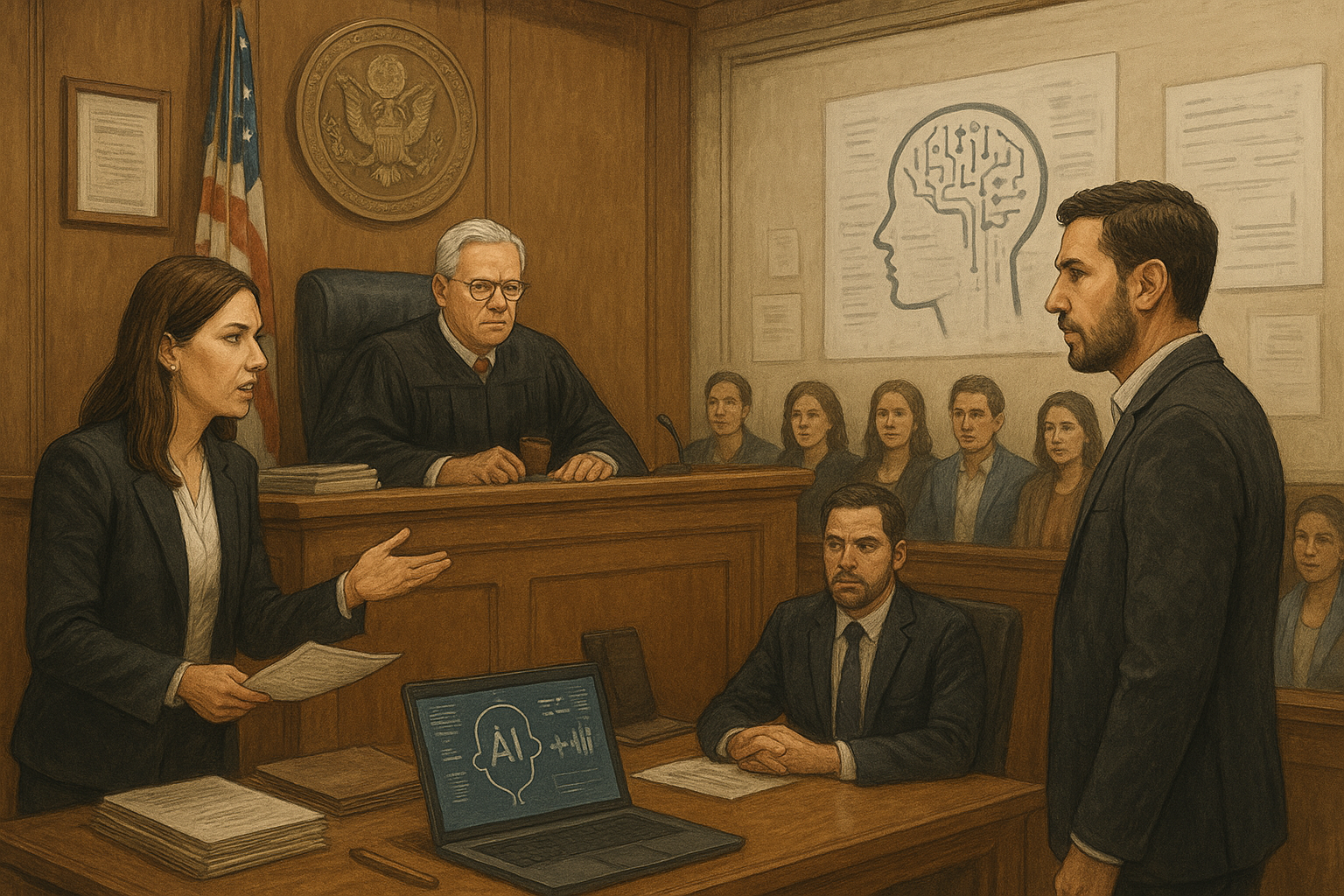
During the court proceedings, prosecutors presented evidence that highlighted the scale of Smith’s operation, including the number of tracks produced and the revenue generated from unauthorized streams. The defense, however, argues that Smith did not intend to harm anyone and that the use of AI in music creation is a burgeoning field that should be embraced rather than punished.
The sentencing, which is set to take place soon, will determine the extent of the legal repercussions Smith will face. The case has sparked a broader conversation about the intersection of technology and creativity, particularly as AI continues to evolve and influence various artistic domains.
As the music industry grapples with the implications of AI-generated content, this case serves as a critical reminder of the need for clear regulations and ethical guidelines. The outcome could set a precedent for how similar cases are handled in the future, potentially shaping the landscape of music production and distribution.
With the rise of AI in creative industries, the stakes are higher than ever. The outcome of this case will likely resonate beyond the courtroom, influencing how artists, producers, and tech developers navigate the complex relationship between innovation and intellectual property.