In a groundbreaking decision, a Tokyo court has established that a person’s voice can be protected under publicity rights, marking a significant legal milestone in Japan.
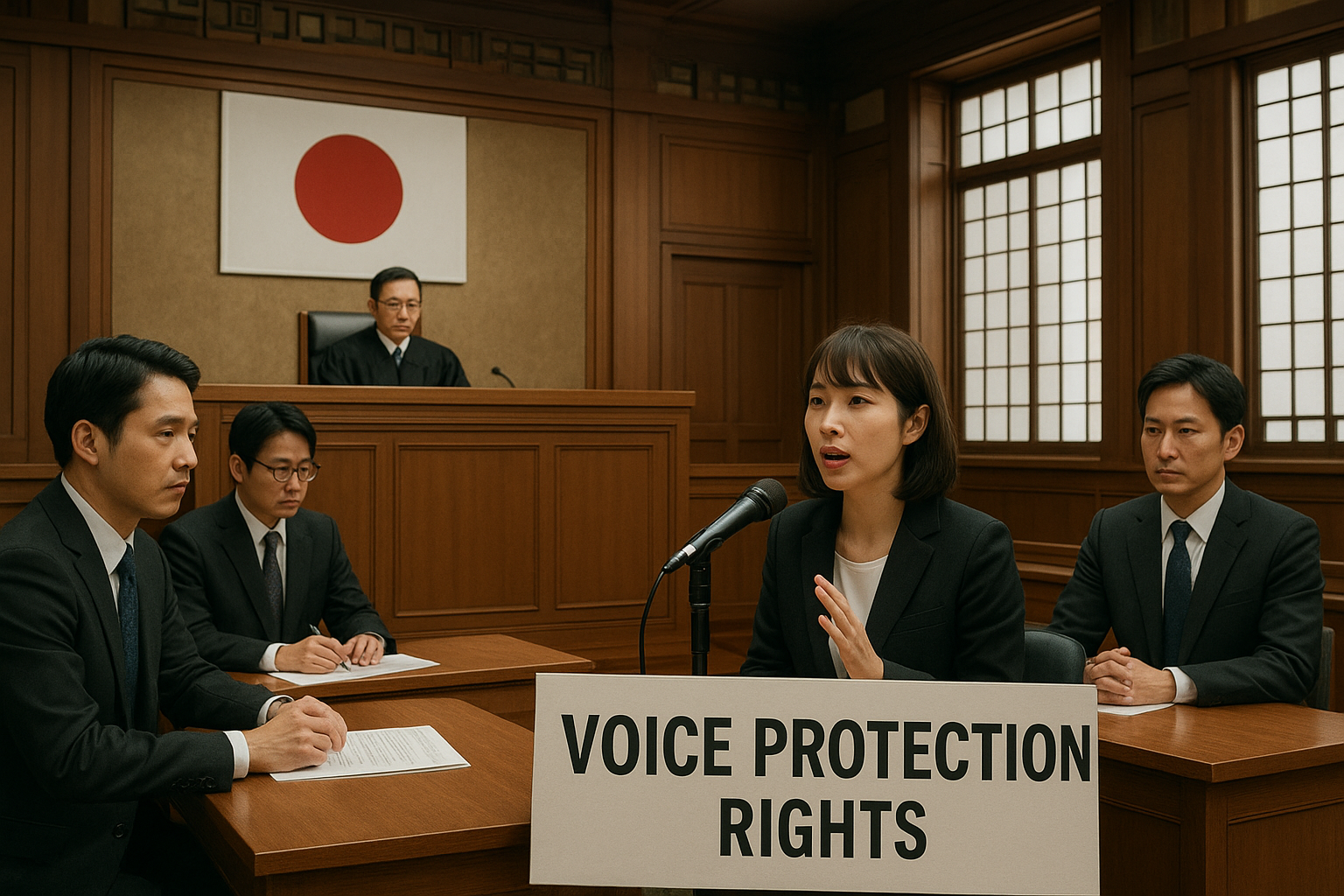
In a case involving voice actor Kenjiro Tsuda, the Tokyo District Court ruled that his voice is eligible for protection under the country’s publicity rights laws. This ruling is particularly noteworthy as it is the first of its kind in Japan, setting a precedent for how personal attributes can be legally safeguarded.
Tsuda had initially sought to have his voice removed from TikTok, claiming that the platform was using it without his consent. While he lost the takedown claim, the court’s decision to recognize the voice as a protected asset is seen as a victory for Tsuda and other artists in Japan.
The ruling reflects a growing awareness of the importance of personal rights in the digital age, where voices and likenesses can be easily replicated and disseminated across various platforms. Legal experts believe this decision could pave the way for more comprehensive protections for artists and public figures in the future.
As social media and digital content continue to evolve, the implications of this ruling could extend beyond just voice actors. It raises questions about how other personal attributes, such as likeness and identity, might be treated under existing laws.
This landmark ruling is expected to influence future cases regarding publicity rights in Japan, potentially leading to more robust protections for individuals in the entertainment industry.
The recognition of voice as a protected asset is significant in a world where digital content is ubiquitous. It underscores the need for legal frameworks to adapt to the changing landscape of media and personal rights.