Ian Tuason’s innovative use of sound in ‘Undertone’ creates a chilling atmosphere that captivates audiences.
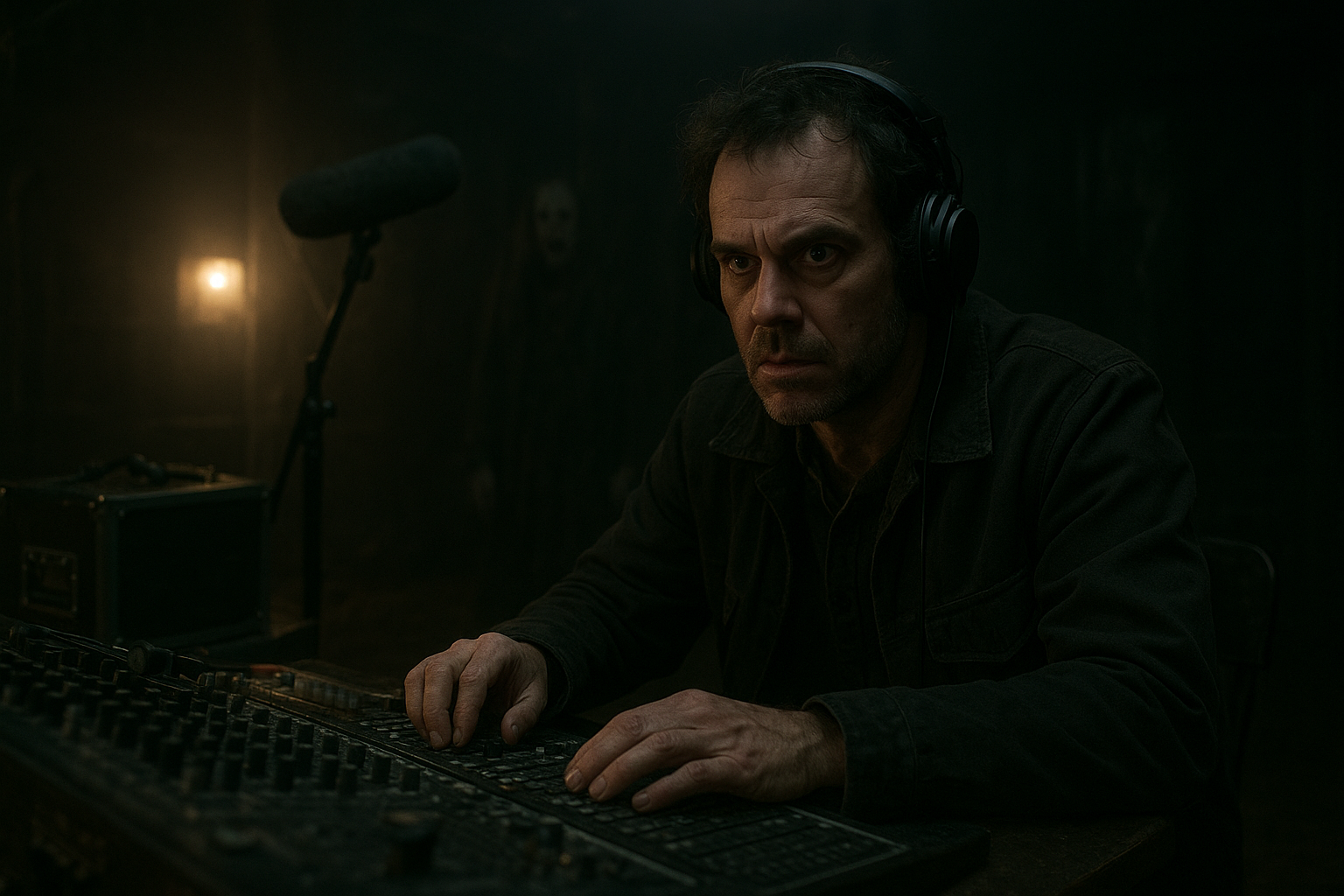
In a recent interview, writer-director Ian Tuason delved into the unique auditory elements that define his latest horror film, ‘Undertone.’ The film’s soundscape, described as ‘really creepy,’ is crafted using unconventional methods, including iPhone voice memos and children’s songs played in reverse. This innovative approach aims to unsettle viewers and enhance the film’s eerie atmosphere.
Tuason explained that the decision to incorporate such sounds was driven by a desire to evoke a sense of unease and unpredictability. By manipulating familiar sounds, the director sought to create an auditory experience that would linger with audiences long after the film ends. The use of everyday technology like iPhones adds a layer of relatability, making the horror feel closer to home.
The film’s sound design is not just about creating fear but also about storytelling. Each sound is meticulously chosen to reflect the film’s themes and character emotions. Tuason’s background in music and sound engineering played a crucial role in shaping this aspect of the film, allowing him to experiment with different techniques and effects.
In addition to the soundscape, ‘Undertone’ features a compelling narrative that explores psychological horror. The film delves into the human psyche, using sound as a tool to amplify the tension and drama. This approach sets ‘Undertone’ apart from traditional horror films, offering a fresh take on the genre.
While the film’s plot details remain under wraps, Tuason hinted at a storyline that intertwines reality with the supernatural. The sound design plays a pivotal role in blurring these lines, creating an immersive experience for the audience.
Horror films have long relied on sound to evoke fear and suspense. ‘Undertone’ continues this tradition while pushing the boundaries of what can be achieved through sound design. By using everyday sounds in unexpected ways, Tuason challenges viewers to reconsider their perceptions of reality. As the film gains attention, it highlights the importance of sound in storytelling and its ability to transform a narrative.