
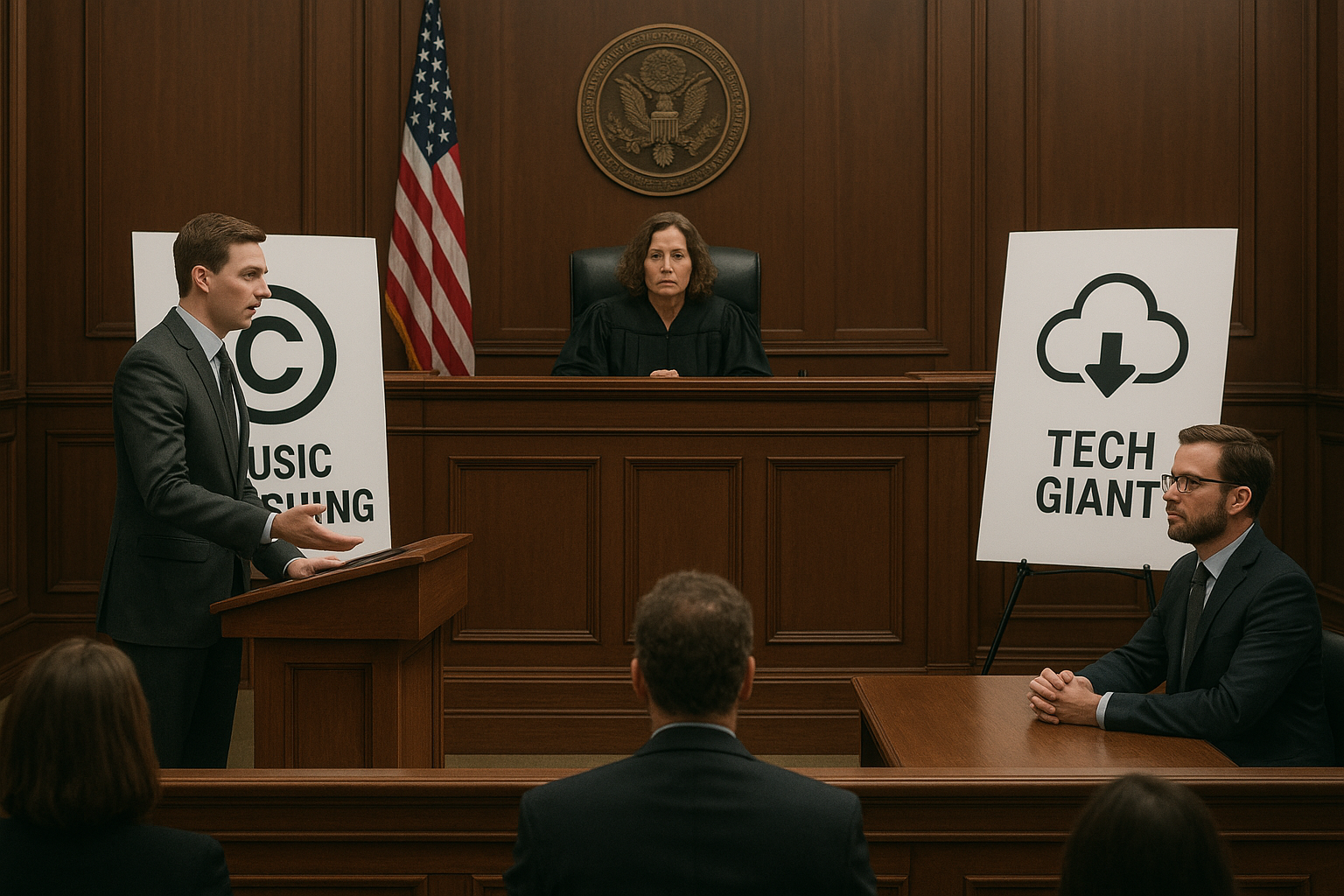
Wixen Music Publishing has intensified its legal battle against Meta by doubling its damages claim to $102 million, citing extensive copyright infringements.
Wixen Music Publishing has expanded its lawsuit against Meta Platforms, Inc., alleging that the tech giant has infringed on the copyrights of over a thousand musical works. The company has now increased its damages demand to $102 million, doubling the initial claim. The lawsuit, which was originally filed in December, accuses Meta of using Wixen’s catalog without proper licensing or compensation.
The expanded lawsuit highlights Wixen’s assertion that Meta’s platforms, including Facebook and Instagram, have been utilizing a significant number of songs from its extensive catalog. Wixen, known for managing rights for artists like Tom Petty and Neil Young, claims that the unauthorized use of these works has caused substantial financial harm.
In its legal filing, Wixen argues that Meta’s actions are not only a violation of copyright law but also a disregard for the value of creative content. The publishing company is seeking both statutory damages and injunctive relief to prevent further unauthorized use of its music.
Meta has yet to publicly respond to the expanded claims. The company previously stated its commitment to working with rights holders to ensure proper licensing and compensation. However, the escalation of the lawsuit suggests ongoing tensions between the tech giant and the music industry.
The case is being closely watched by industry insiders, as it could set a precedent for how digital platforms handle music licensing and copyright issues. The outcome may influence future negotiations and legal strategies for both tech companies and content creators.
Wixen’s legal action against Meta underscores the ongoing challenges faced by music publishers in the digital age. As streaming and social media platforms continue to grow, the need for clear and fair licensing agreements becomes increasingly critical. The lawsuit serves as a reminder of the importance of protecting intellectual property rights in a rapidly evolving digital landscape.